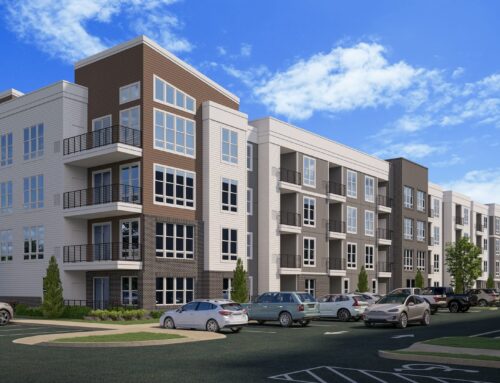
Moving into an apartment can be exciting, offering independence, convenience, and a fresh start. But it also comes with financial responsibilities that can be overwhelming if not planned properly. Building a budget before you move in helps you manage your expenses, avoid debt, and ensure your new apartment lifestyle is sustainable. Here’s a breakdown of the key costs to consider when creating your apartment budget.
Rent and Lease Terms
Rent is often the largest expense in your budget, so it’s essential to know exactly what you’ll be paying each month. Consider not only the base rent but also any additional fees like pet deposits, parking, or utilities that may or may not be included. Understanding the lease terms, such as the length of the contract and the penalty for breaking it, will help you avoid unexpected costs later.
Utilities
While some apartments include utilities in the rent, many do not. Common utilities include electricity, gas, water, trash removal, and internet. Estimating these costs ahead of time is important to avoid surprises on your monthly statement. Keep in mind that utility bills can fluctuate seasonally, so plan for higher expenses in the summer or winter months depending on your climate and usage.
Renter’s Insurance
Renter’s insurance is often overlooked, but it’s a relatively low-cost way to protect your belongings in case of theft, fire, or other damage. Policies vary depending on the coverage and deductible you choose, but the average monthly cost is typically under $20. Many landlords require proof of renter’s insurance before moving in, making it a crucial component of your budget.
Security Deposit and Upfront Costs
Most apartments require a security deposit, which can equal one month’s rent or more, depending on the landlord’s policy. You may also need to pay the first month’s rent upfront, and sometimes an application fee. Planning for these initial costs is vital, as they can add up quickly and may require saving several months in advance.
Furniture and Home Essentials
Furnishing an apartment can be expensive, especially if you are starting from scratch. Costs for beds, couches, tables, chairs, and kitchen essentials can add up fast. Consider buying second-hand furniture, shopping at budget-friendly stores, or gradually furnishing your apartment over time to ease the financial burden. Don’t forget smaller essentials like lamps, cookware, and cleaning supplies.
Groceries and Food Expenses
Food is another major component of your monthly budget. While dining out can be convenient, cooking at home is generally more cost-effective. Track your average grocery expenses, plan meals, and consider any subscriptions like meal kits or grocery delivery services. Including a realistic food budget will help you avoid overspending while keeping your meals enjoyable.
Transportation
Depending on your apartment’s location, transportation costs can vary widely. If you own a car, factor in fuel, insurance, maintenance, and parking fees. If you rely on public transportation, research the cost of monthly passes or ride-sharing services. For apartments in walkable areas, you may save money by walking or biking to work and errands, which should be reflected in your budget planning.
Maintenance and Repairs
Even in a well-maintained apartment, unexpected expenses can occur. Appliances may break, plumbing issues can arise, or minor repairs might be your responsibility depending on the lease. Setting aside a small emergency fund each month for maintenance or repairs will prevent you from being caught off guard when these costs arise.
Entertainment and Lifestyle
Apartment living comes with more than just necessities; entertainment and lifestyle expenses are part of the overall experience. Consider costs for streaming services, gym memberships, social outings, and hobbies. Budgeting for leisure activities ensures you can enjoy your new home without financial stress.
Savings and Emergency Fund
Lastly, don’t forget to include savings in your budget. An emergency fund is essential for unexpected costs, such as medical bills or temporary income loss. Aim to save at least three to six months’ worth of living expenses. Additionally, consider setting aside money for future goals like travel, homeownership, or personal development.
Creating a realistic apartment budget takes time and careful planning, but it pays off in peace of mind and financial stability. By considering rent, utilities, insurance, furniture, food, transportation, maintenance, entertainment, and savings, you’ll be well-prepared to enjoy your new apartment without financial stress. Planning ahead allows you to focus on making your apartment feel like home rather than worrying about bills.